At JTR, we believe that the strongest business relationships are built on transparency and precision. While our industry has always valued the "handshake deal," the modern market requires a more technical approach to maintain that classic level of trust.
Inspired by a simple piece of family wisdom about professional prudence, we’ve taken a closer look at the "Trust Paradox" facing many jewelers today. If we verify weight and color, why leave natural diamond authenticity to chance?
The Tradition of “Trust, but Verify” in Diamond Trade
My grandfather had a piece of advice that echoed across generations: "Count the money as soon as you receive it."
It was never about being cynical; it was about being a professional. Whether it’s a stack of bills or a parcel of precious stones, the message remains: Trust is the foundation of a relationship, but verification is the structure of a business.
Lately, I’ve noticed a curious gap in logic. When asked about Diamond Screening Instruments, a common response is: "I don't need one; I trust my supplier."
The Paradox of the Scale: Beyond Carat Weight
Trust is vital, but there is a fundamental contradiction in a "trust-only" approach. If you ask a jeweler what the first thing they do is when a shipment arrives, the answer is almost always: "We weigh them and check color/clarity."
This is the paradox. If trust in the supplier were the only factor, we would skip the scale and the loupe entirely. Instead, we verify the weight to ensure we aren't being short-changed.
In today’s market, practicing "Trust, but Verify" must extend to lab-grown diamond screening to ensure every stone sold as natural is exactly what it claims to be.
Protecting Your Brand with Accurate Diamond Screening
Verifying that a stone is a diamond is no longer enough. In a market where CVD and HPHT lab-grown diamonds are becoming indistinguishable from natural stones to the naked eye, knowing the origin is essential.
Relying on trust alone for authenticity is like counting your cash but never checking for counterfeits. If you use a scale to protect a few dollars in weight, it only makes sense to use a diamond verification instrument to protect the thousands of dollars—and the reputation—tied to a stone's natural origin.
Efficient Lab-Grown Detection Without Compromise
For many, the hurdle to diamond screening has always been time. However, technology has officially removed that barrier.
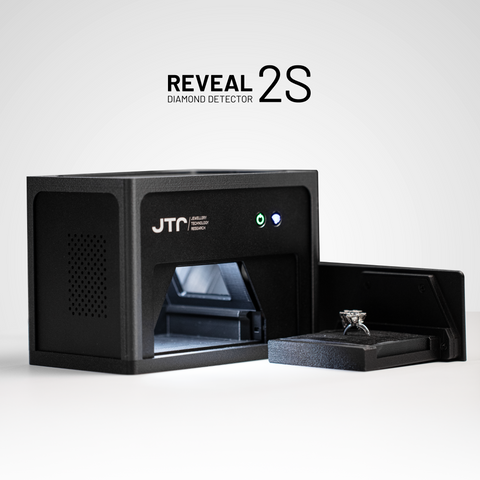
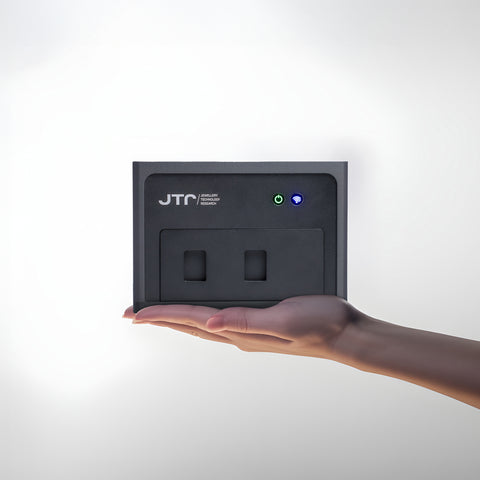
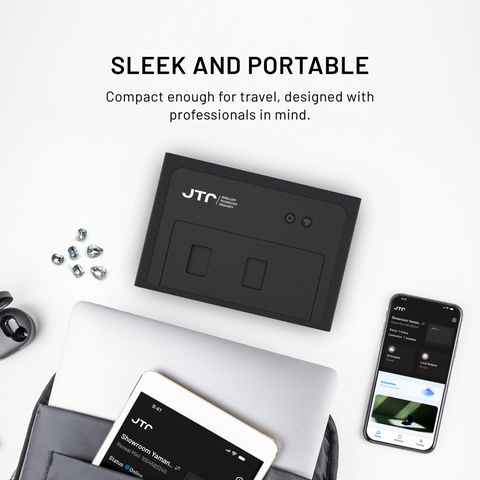
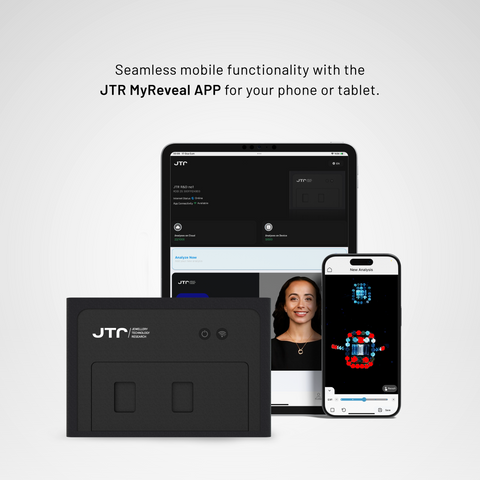
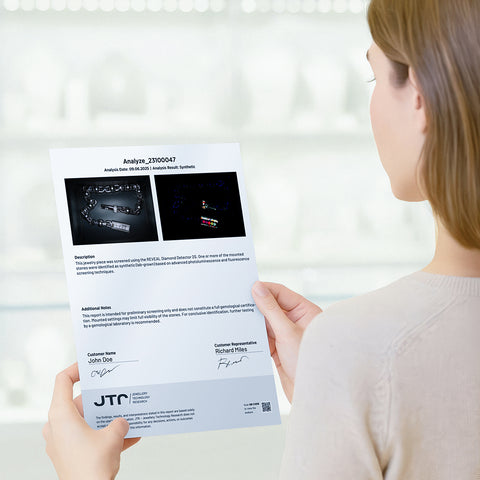
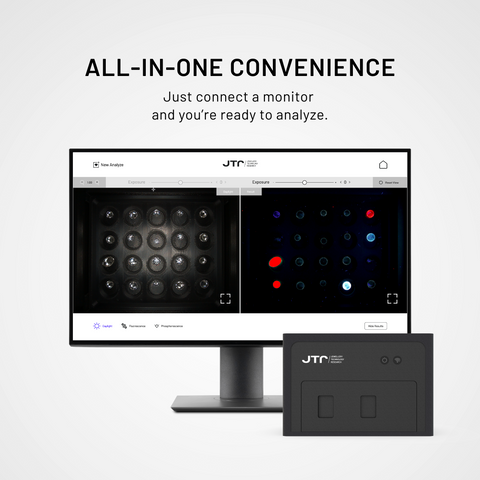
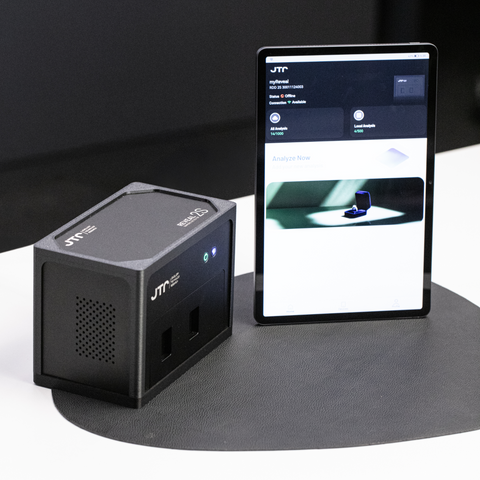
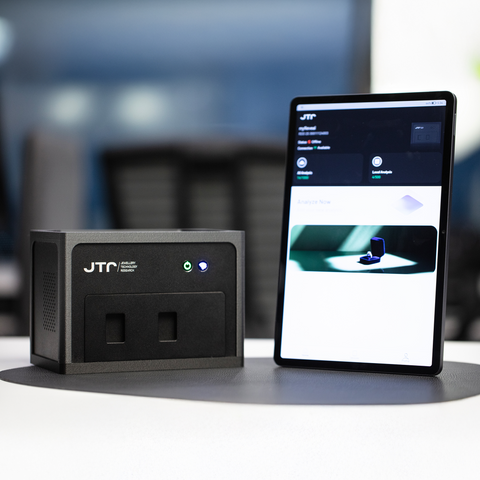
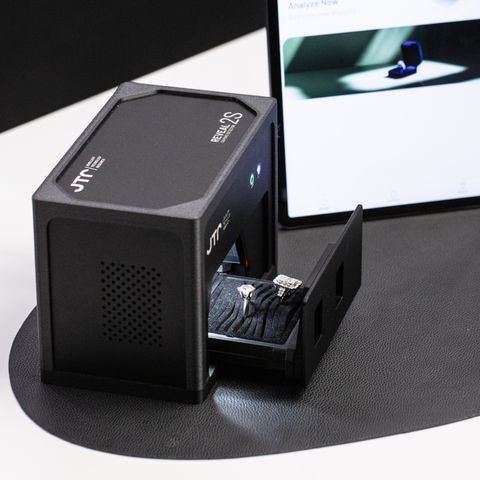
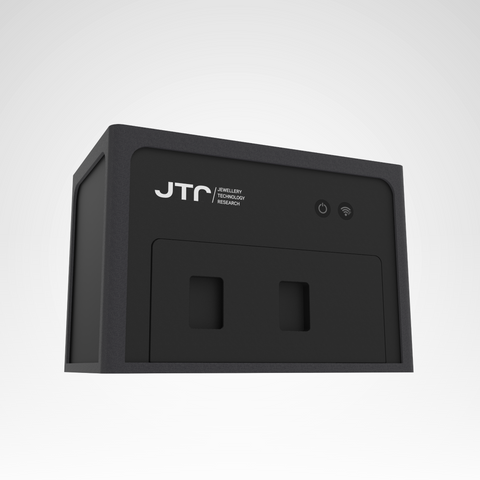
With instruments like the REVEAL 2S, the screening process is no longer a bottleneck:
-
Rapid Detection: Screen loose and mounted stones in as little as 20 seconds.
-
Melee Screening: Verify even the smallest accents (down to 0.8mm) where undisclosed lab-grown diamonds are most common.
-
Total Certainty: Move from "hoping" to "knowing" before the stones ever hit your inventory.
Your Reputation is Your Only Currency
Your customers don't buy from your supplier; they buy from you. They are relying on your expertise and your promise. If a lab-grown diamond is sold as natural—even by honest mistake—it is your name on the box and your legacy on the line.
My grandfather’s advice wasn't just about money; it was about accountability. In the modern diamond world, "counting the money" means screening every diamond for authenticity.
Trust your suppliers. Build your relationships. But never stop verifying halfway.
This article was originally published as a feature on LinkedIn. You can join the conversation and see the community discussion by reading the original post here